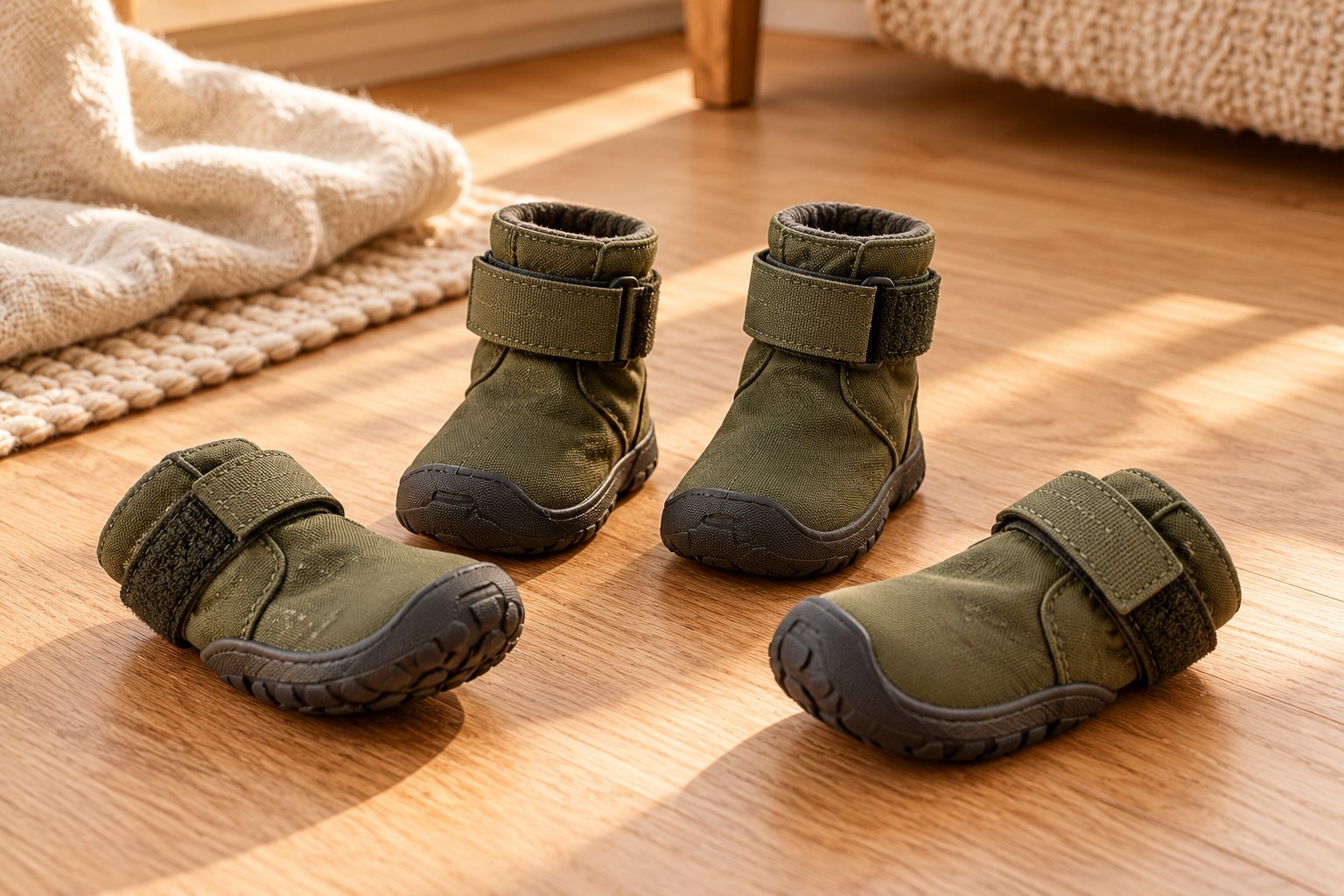
A Gradual Routine for Introducing Dog Boots
Build a short, reward-based introduction to dog boots, with attention to paw handling, proper placement, movement, and when discomfort calls for a fit change rather than more practice.
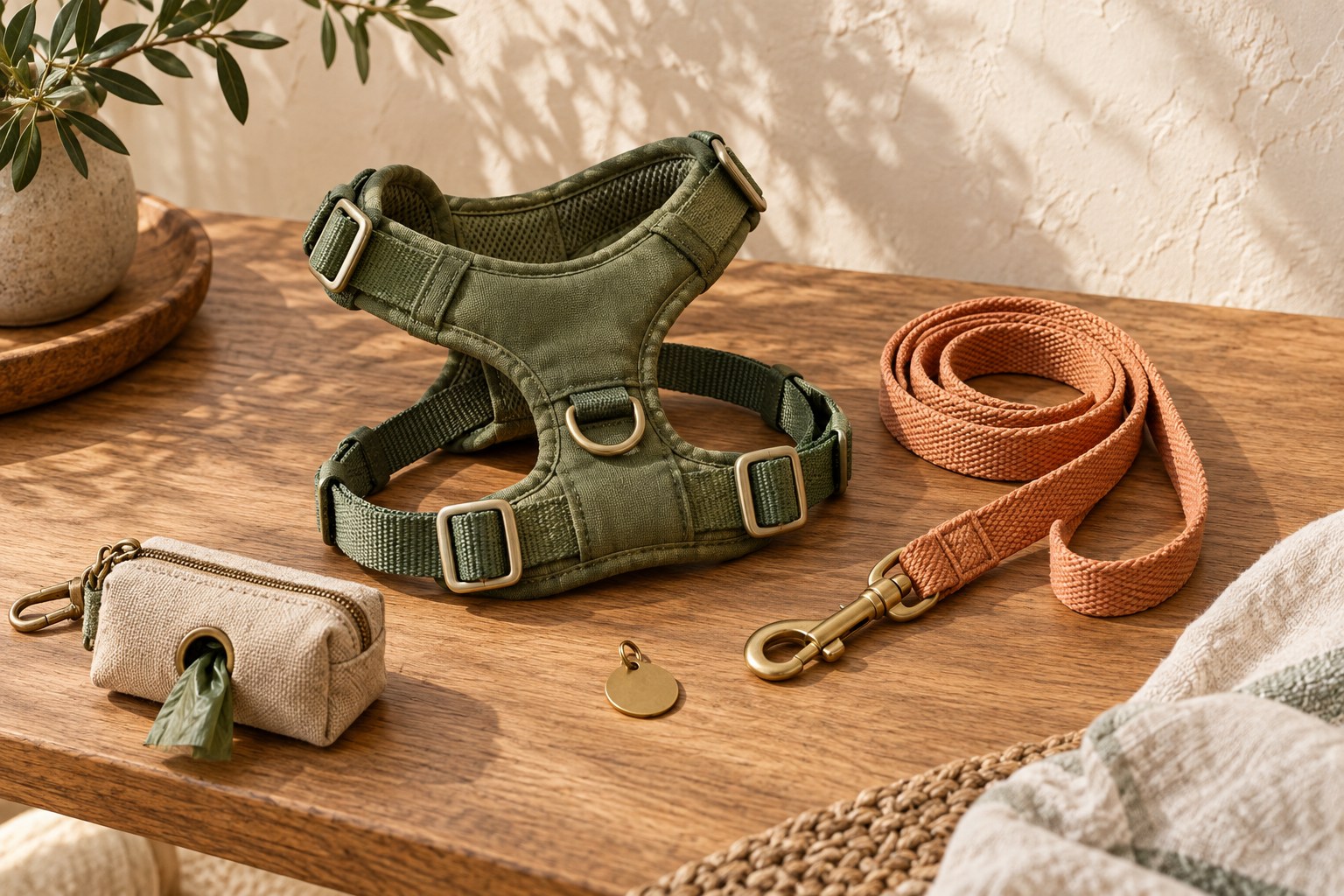
Explore the guideHarnesses, leads, layers, and little essentials for the route ahead. Make fit and handling part of the same decision.
Build a short, reward-based introduction to dog boots, with attention to paw handling, proper placement, movement, and when discomfort calls for a fit change rather than more practice.
Explore the guideCompare dispenser slots, roll fit, mounting methods, closures, and spare-bag access to avoid rattling containers, jammed rolls, and awkward openings when using your chosen waste bags.
Explore the guideConsider balance, belt placement, release access, and route conditions before choosing a waist-connected leash, especially when carrying bags or walking a dog that changes direction suddenly.
Explore the guidePlan sensible adjustment range, lightweight hardware, repeated fit checks, and replacement points when selecting a young dog’s collar and harness without buying oversized equipment for future growth.
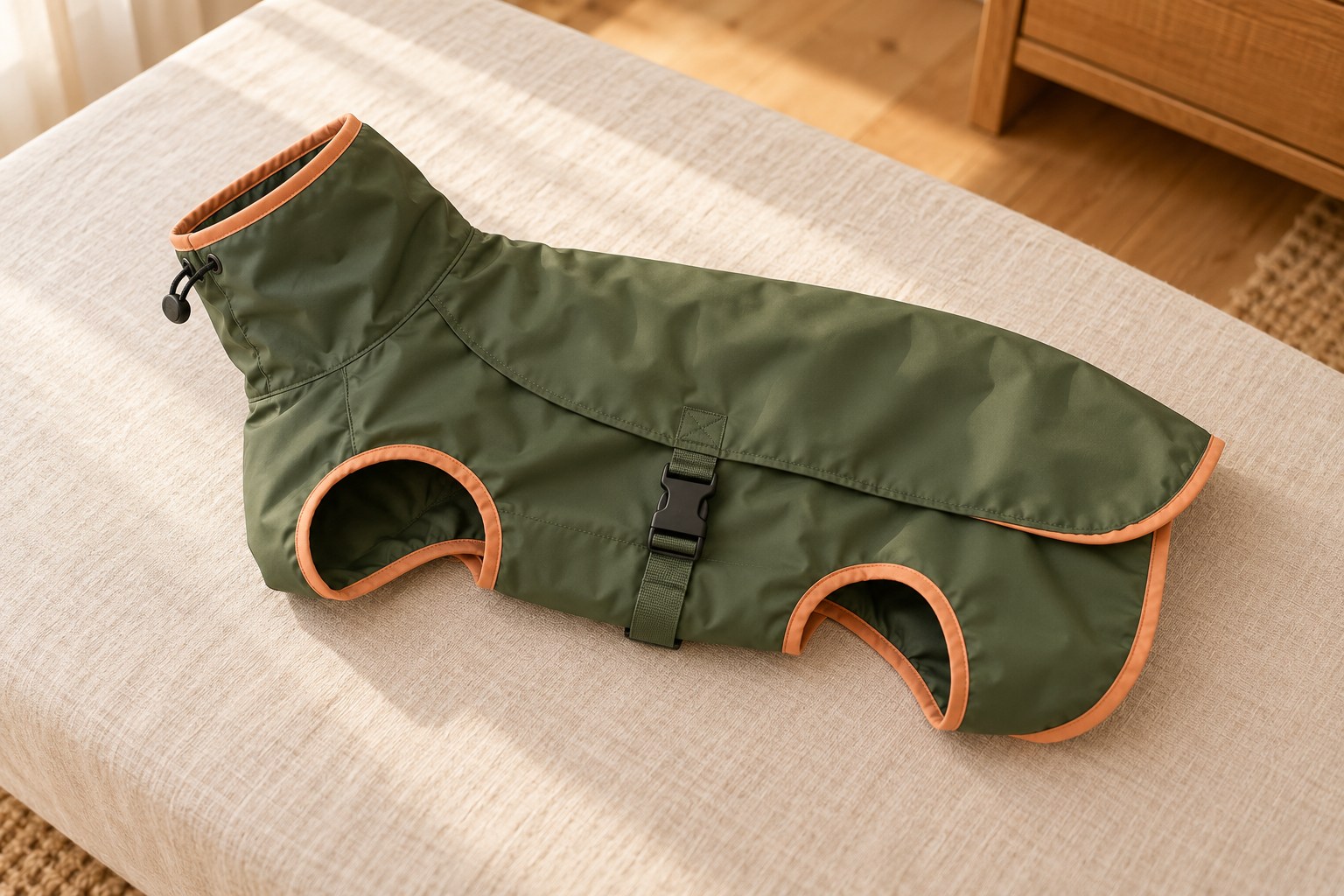
Explore the guideCompare raincoat panels, neck openings, belly coverage, and harness access to find a shell that manages wet walks without bunching, flapping, or restricting ordinary movement.
Explore the guidePlan pocket placement, closures, strap length, and waste separation for a dog-walking bag that opens predictably while the leash stays organized in your other hand.
Explore the guideUse pavement width, crossings, sniffing opportunities, and your handling habits to choose a fixed leash length that offers useful space without leaving unmanaged loops around feet.
Explore the guideEvaluate light placement, visibility from different angles, charging details, weather protection, and attachment stability when adding an active light to a dog’s existing evening walking equipment.
Explore the guideUnderstand when a two-dog coupler simplifies walking and when differences in pace, size, sniffing habits, or personal space make separate leashes the more workable choice.
Explore the guideCompare sole stiffness, tread depth, flexibility, and interior construction when selecting dog boots for a defined walking surface rather than buying the most rugged-looking pair.
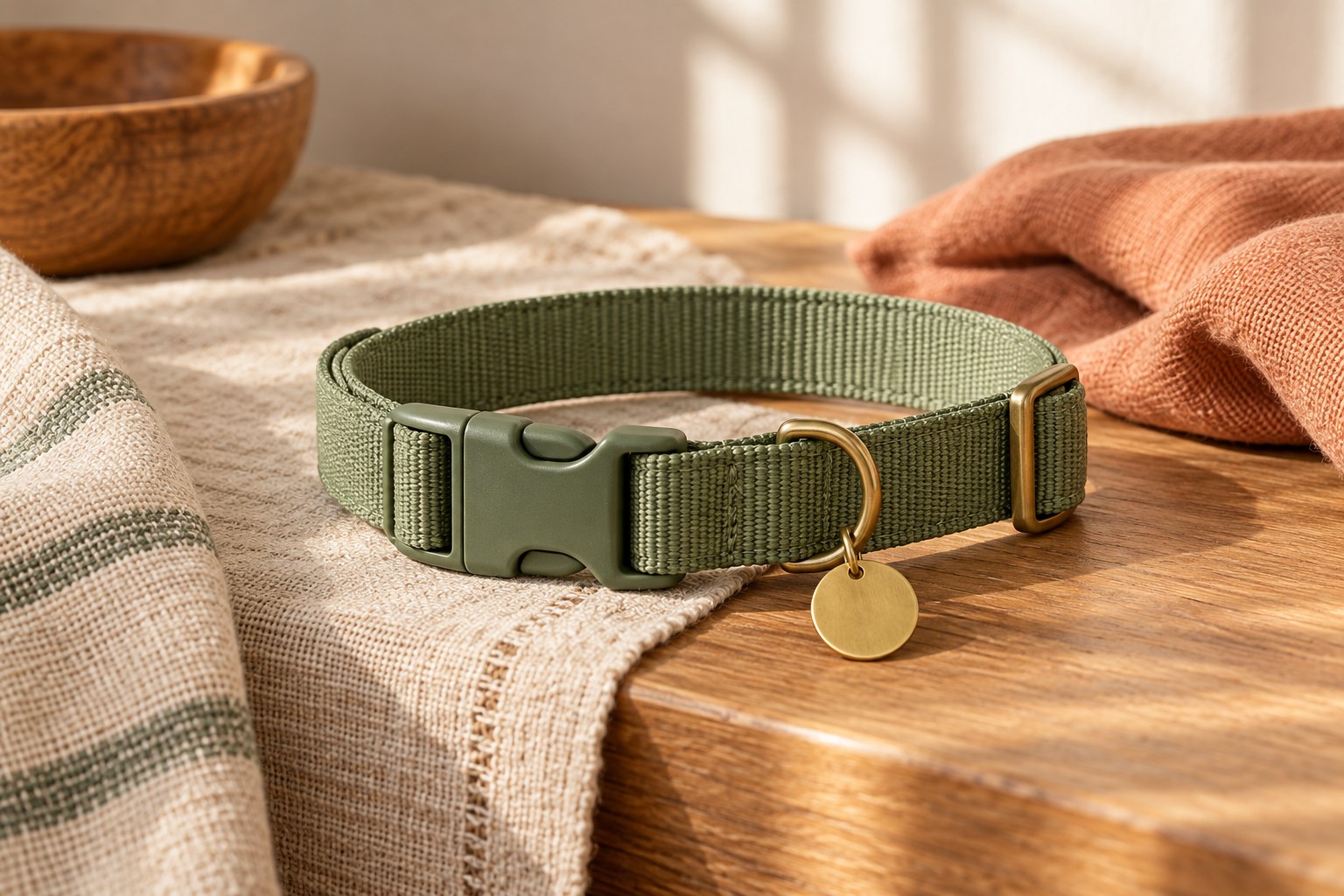
Explore the guideExplore collar width, edge finish, adjustment range, and hardware weight, with a fitting routine that considers the dog’s neck proportions instead of relying on appearance alone.
Explore the guideEvaluate opening ease, bag dimensions, seam integrity, and disposal labels without assuming that a green color or an environmental phrase tells you what your local waste system accepts.
Explore the guideUnderstand where a Y-front harness should sit, how to judge strap clearance, and why a size chart cannot replace watching your dog move in the finished fit.
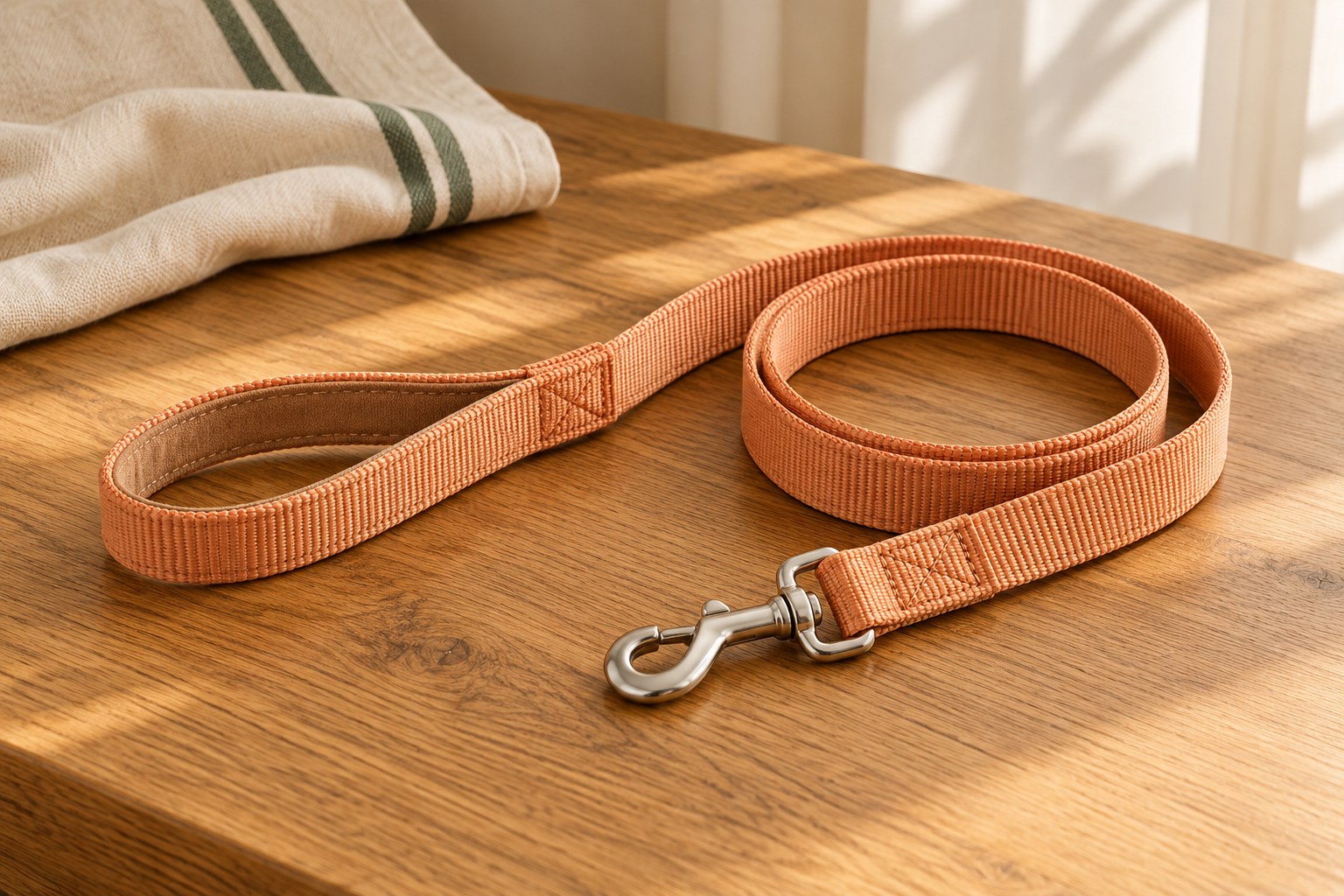
Explore the guideCompare grip, weight, drying behavior, stitching, and clip movement in flat and rope leashes so the material suits your hands and your usual walking route.
Explore the guideLearn how leash attachment positions change handling, where twisting can develop during turns, and when a dual-clip harness adds useful flexibility to your usual walking routine.
Explore the guideExplore why deep chests need more than a larger size, with attention to sternum length, girth-band placement, neck openings, and adjustments that remain balanced during walking.
Explore the guideExplore adjustable leash configurations, two-point harness connections, clip management, and the practical compromises that come with extra rings when changing lengths during an ordinary daily walk.
Explore the guideCompare clip operation, gate clearance, swivels, and inspection habits so a leash connects cleanly to the hardware you actually use, including with gloves and in poor light.
Explore the guideEvaluate lower leash handles for crowded stretches, including handle placement, handler height, dog size, and how to maintain a comfortable position without constant close restraint.
Explore the guideChoose tag shape, engraving layout, attachment placement, and quieting accessories that preserve legibility and access while reducing unnecessary clatter without hiding the contact information someone needs.
Explore the guideChoose line length, material, and handling methods for open-space sniffing while managing loops, friction, obstacles, and the dog’s momentum before the line reaches its end.
Explore the guideUse standing paw measurements, front-and-back comparisons, sole shape, and closure placement to evaluate dog boots without assuming that one size or a single width measurement fits every foot.
Explore the guideOrganize water access, shade planning, light equipment, and carrying space for suitable warm-weather outings without treating accessories as permission to walk in conditions that are too hot.
Explore the guideA coat changes bulk, friction, and access to leash rings. Learn to evaluate harness placement, openings, buckles, and fit whenever seasonal clothing joins the walking setup.
Explore the guideEvaluate insulation placement, wind protection, lining, closures, and fit for cold outings while recognizing that clothing needs depend on the individual dog and changing conditions.
Explore the guideConsider pack fit, balanced pockets, empty-pack practice, route demands, and the individual dog’s comfort before deciding whether a dog-carried daypack adds useful organization to supervised walks.
Explore the guideCompare common collar closures through everyday tasks, including fastening with gloves, checking full engagement, adjusting between holes, and spotting wear around the strap and working parts.
Explore the guideExamine the extra waist strap on a three-strap harness, the fit checks it requires, and why supervised handling remains essential even with additional retention features.
Explore the guideCompare reflective placement on collars, harnesses, leashes, and clothing, and learn why useful visibility depends on light direction, exposed surfaces, movement, and the route you choose.
Explore the guideWater-resistant coated leashes can be convenient for muddy outings. Inspect edge construction, flexibility, grip, fasteners, and drying habits before deciding whether the surface suits your routine.
Explore the guideExamine fleece stretch, neck openings, leg cutouts, seam placement, and layering limits for cool-weather walks where a flexible garment may be more useful than a heavy coat.
Explore the guideCompare step-in harness construction, fastening positions, leg openings, and daily handling needs before choosing a design for a dog who dislikes equipment passing over the head.
Explore the guide