 GUIDE 114
Soft Landings
A compact room needs a measured bed layout rather than a smaller bed by default. Explore corner placement, under-desk spaces, storage access, and shapes that preserve usable resting dimensions.
GUIDE 115
Soft Landings
Raised sides change a bed's usable area, entry route, and cleaning workload. Compare partial bolsters, continuous rims, and removable inserts with the way your pet chooses to settle.
GUIDE 116
Soft Landings
An enclosed bed can create a sheltered resting space without becoming difficult to enter or clean. Compare entrance shape, internal height, removable cushions, and where a cave bed belongs indoors.
GUIDE 117
Soft Landings
A bed fits when its usable sleeping area matches the way a dog actually rests. Learn to measure stretched sleepers, curled sleepers, and dogs that change position throughout the night.
GUIDE 118
Soft Landings
Hair behaves differently on smooth woven covers, textured fabrics, and long pile. Compare surface structure and cleaning access to choose a bed that stays manageable between full laundry cycles.
GUIDE 119
Soft Landings
A second resting spot can solve a location problem better than a larger first bed. Decide where it belongs by following household activity, cleaning needs, and each pet's established sleeping choices.
GUIDE 120
Soft Landings
Cooling products use different materials and need different care. Examine ventilation, puncture exposure, cleaning, and placement while treating a mat as an optional resting surface rather than heat protection.
GUIDE 121
Soft Landings
A crate mat should lie flat inside the usable floor, leaving doors and tray edges clear. Learn to compare measurements, thickness, grip, and washable construction before ordering a replacement.
GUIDE 122
Soft Landings
A flat mattress offers open edges and flexible sleeping positions. Learn how to assess platform size, corner strength, floor grip, and cover tension without relying on vague comfort labels.
GUIDE 123
Soft Landings
The filling determines how a bed compresses, moves, and recovers after use. Compare solid foam, loose fiber, and layered inserts while keeping cleaning and replacement needs in view.
GUIDE 124
Soft Landings
A low entrance can make a bed more approachable, but the edge, floor grip, and surrounding space matter too. Evaluate access as a complete movement from floor to resting platform.
GUIDE 125
Soft Landings
Modular beds separate covers, center pads, side cushions, and sometimes frames. Evaluate genuine replacement availability, assembly effort, and part prices before paying more for a long-lived system.
GUIDE 126
Soft Landings
A bed can move because of its cover, insert, backing, or location. Learn to diagnose sliding and choose a base that grips clean flooring without creating a difficult maintenance layer.
 GUIDE 127
Soft Landings
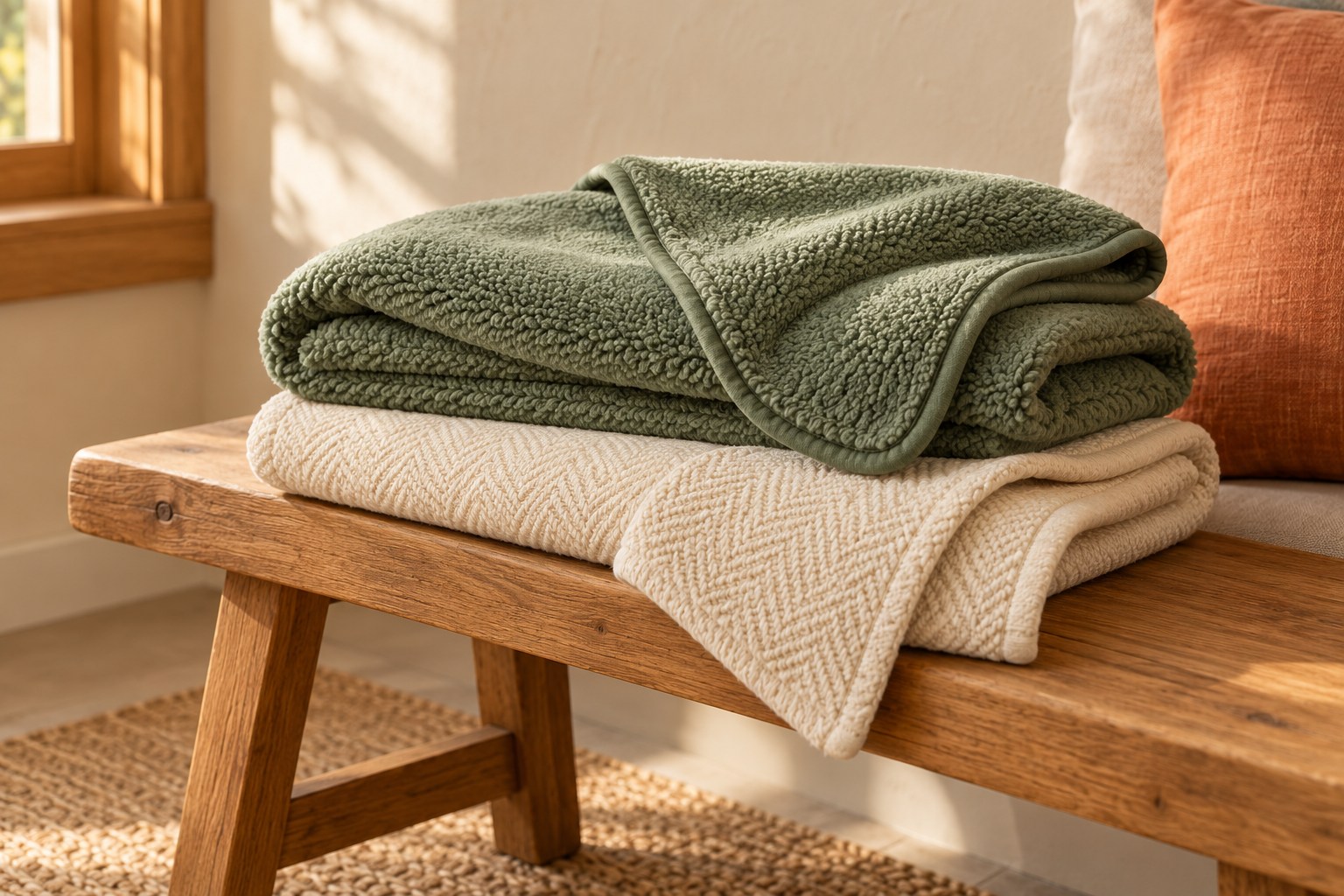
Blanket construction affects warmth, hair release, drying, and how securely the layer stays on a bed. Compare three common formats according to the room and the pet's sleeping behavior.
GUIDE 128
Soft Landings
A roll-up mat can define a familiar resting space away from home. Compare packed size, floor grip, edge curl, and cleaning needs without expecting a thin portable layer to replace a substantial bed.
GUIDE 129
Soft Landings
A raised cot creates a suspended sleeping platform with space beneath it. Compare fabric tension, frame stability, entry height, and replaceable parts for a product that fits its intended location.
GUIDE 130
Soft Landings
A spare cover can keep a favorite bed in service, but length and width alone are not enough. Match insert thickness, corner shape, bolster channels, zipper layout, and care requirements.
GUIDE 131
Soft Landings
Round beds create a central nest, but filling depth and edge behavior vary widely. Understand usable diameter, washable construction, and the difference between a cozy shape and an unsupported comfort claim.
GUIDE 132
Soft Landings
Simple changes to covers, blankets, and location can adjust a pet's resting choices through the year. Compare layers and surfaces while avoiding overheated corners, unstable piles, and one-size-fits-all assumptions.
GUIDE 133
Soft Landings
A liner can reduce how often a bed insert becomes soiled, but seams and openings still matter. Compare placement, coverage, noise, and washing instructions to build a practical layered bed.
GUIDE 134
Soft Landings
A protective throw needs more than a coated middle panel. Plan coverage around seat edges, back cushions, and armrests, then assess seams, grip, laundering, and how the pet reaches its resting spot.
GUIDE 135
Soft Landings
Machine washable can describe a small cover or an entire bulky bed. Examine zippers, filling compartments, drying instructions, and spare covers to choose a cleaning system that works in your home.
