Reflective trim returns some incoming light toward its source. It can help a dog or handler become more noticeable when a suitable light reaches it, but it does not emit light on its own. A narrow strip hidden beneath long fur or a coat may contribute little even if it looks bright in a product photograph.
Choose placement around the way you walk, and continue using sensible route and road-crossing habits.
Think in viewing directions
A collar can be visible from one angle and hidden by the dog’s head from another. A harness may show well from above yet offer little visible area from the side. Consider approaching traffic, people behind you, and a dog standing perpendicular to the road. Reflective details distributed across several exposed surfaces can be more useful than one large patch facing only backward. No arrangement guarantees a driver will notice you, so position and distance remain important.
Look beyond the product photograph
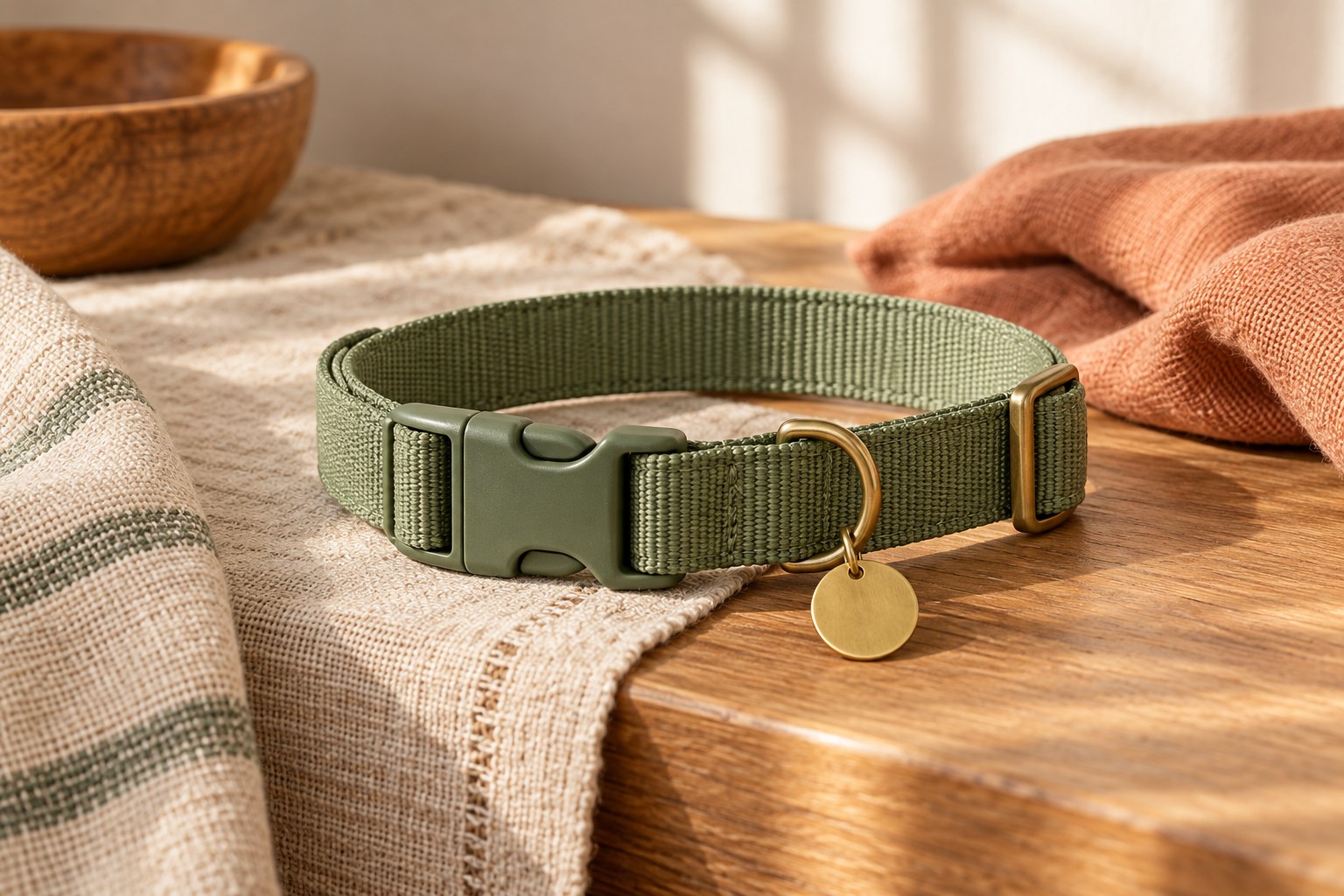
Bright studio flash can make a tiny strip look dramatic. In actual use, the trim may be bent, covered by a leash, or facing away from the light. Examine the reflective area under ordinary room light first to see its physical size. Check whether patterned webbing includes continuous reflective yarn or only scattered markings. A hypothetical fluffy dog may hide a reflective collar almost completely, making visible trim on a coat or handler’s clothing a more practical addition.
Check the walking combination
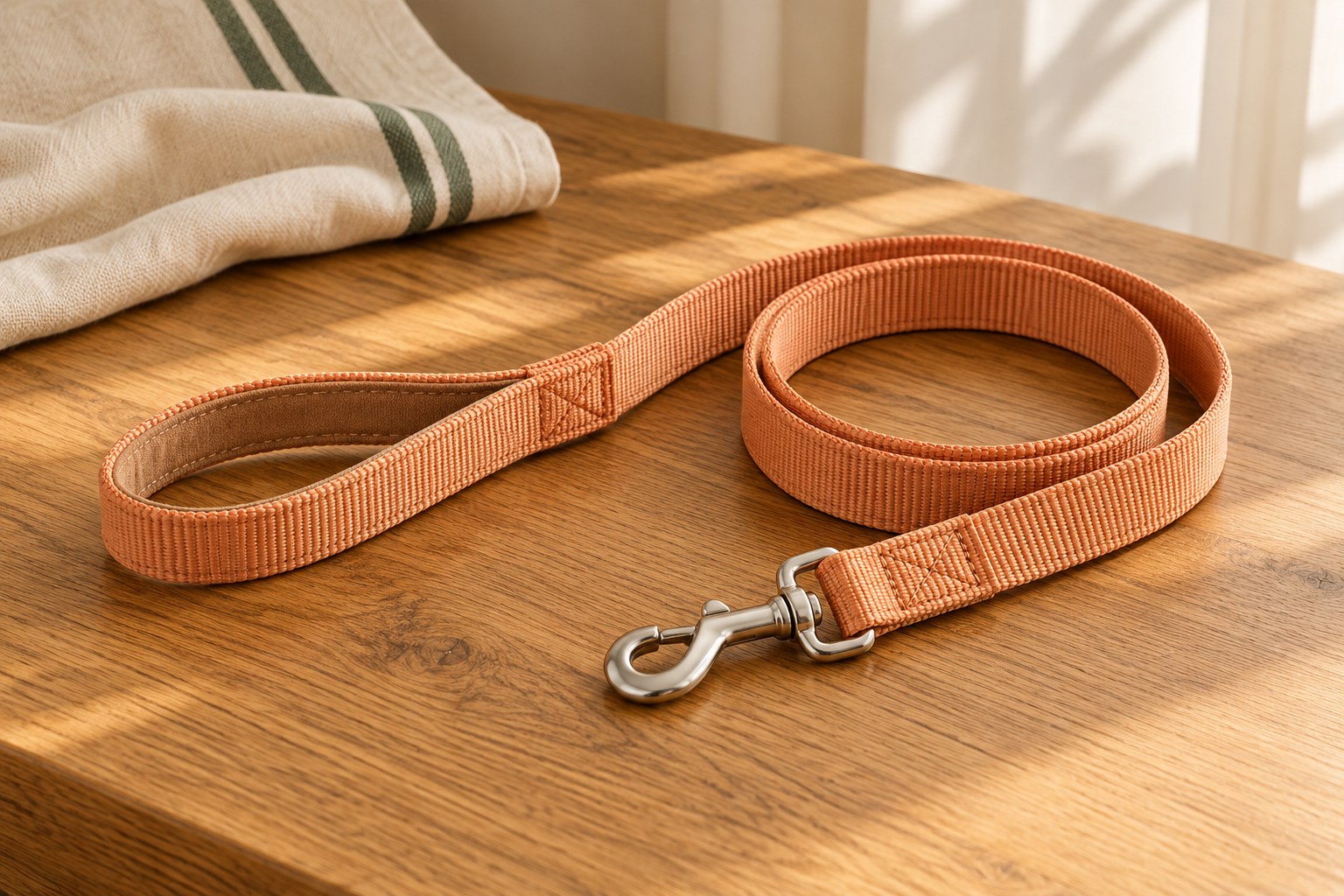
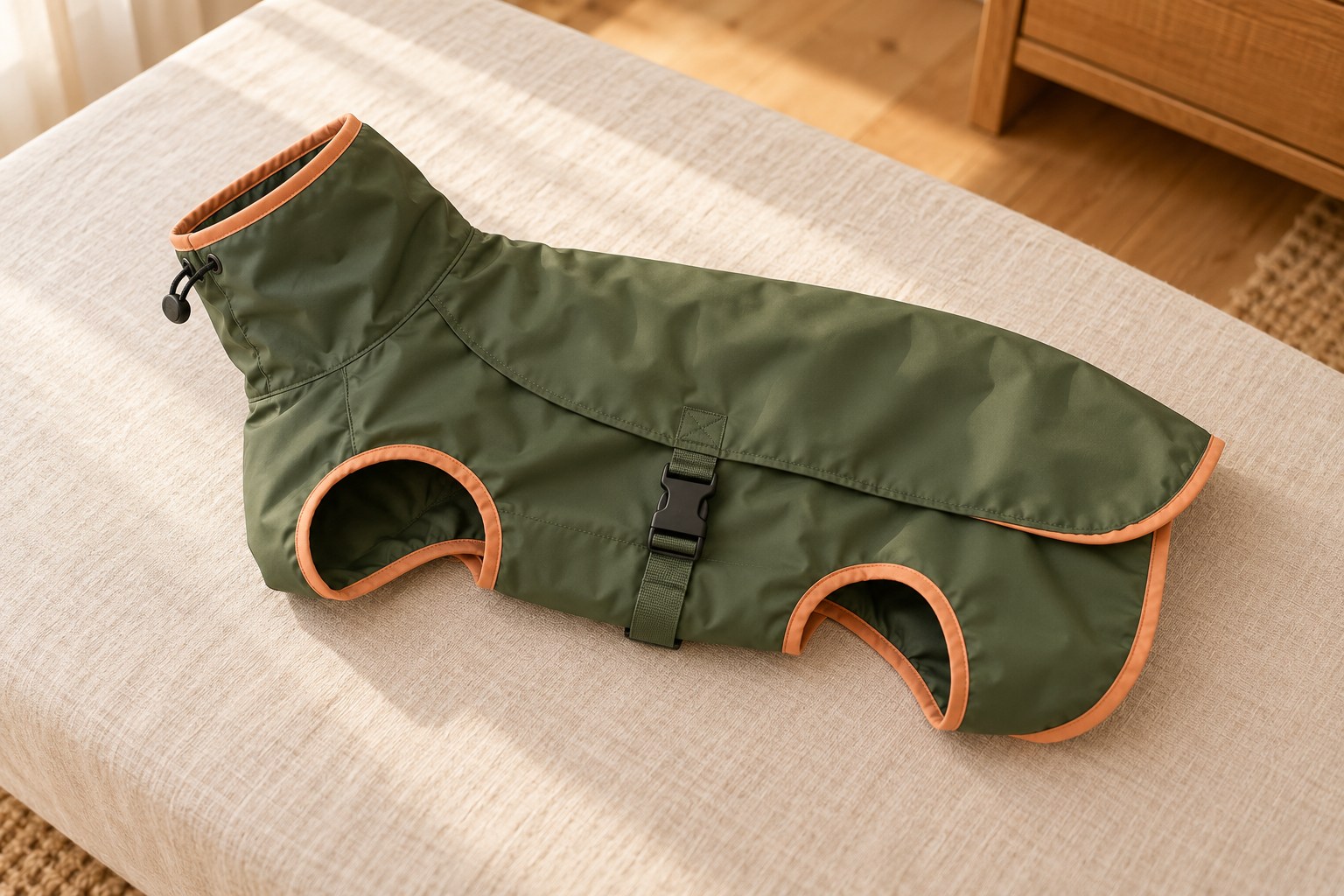
Put the gear on in the arrangement you actually use. A harness over a coat may cover its most reflective panel, while a coat over a harness may hide the harness edging. Leash trim can provide a moving line, but it can also turn edge-on and become less visible. Keep any light or tag from covering the reflective area entirely. Ask another adult to observe from a safe stationary location if you want to evaluate angles; do not test visibility by standing in moving traffic.
Include the person holding the leash
The handler may be the tallest and most visible part of the walking pair. Exposed reflective details on outer clothing or a suitable accessory can complement the dog’s equipment. Avoid placing everything low to the ground where parked vehicles or roadside vegetation conceal it. Choose routes with usable sidewalks and good sight lines when available. Visibility equipment should support an existing walking plan, not encourage crossing where a clear view is missing.
Maintain the surface
Dirt, abrasion, folding, and laundering can change the condition of reflective material. Follow washing directions and inspect the trim for peeling or worn patches. Keep the product’s other functions in view: a reflective leash still needs sound stitching and a reliable clip. If visibility is central to the purchase, compare how much useful reflective area remains once the item is fitted, not merely how many times the word reflective appears on the label or packaging.

For our approach to product claims and illustrations, see the Editorial Policy.