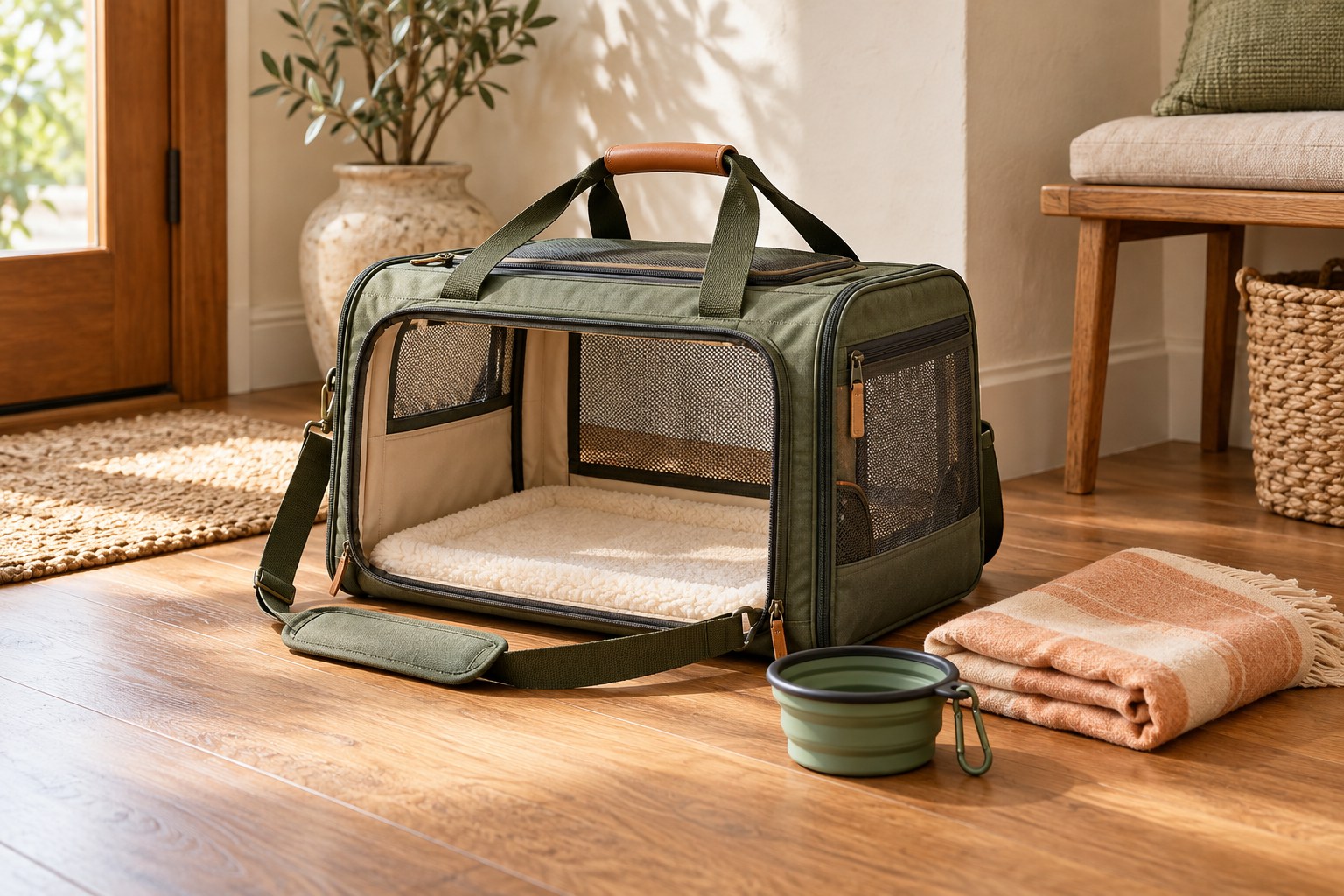
A carrier purchased on the morning of a trip leaves little time to assess fit or introduce the animal to an unfamiliar enclosure. Preparing earlier creates room for observation and adjustment. The process is not a guarantee that every pet will enjoy travel, but it can reveal whether the product's openings, floor, and resting surface work in a quiet familiar setting.
Make the carrier an available object
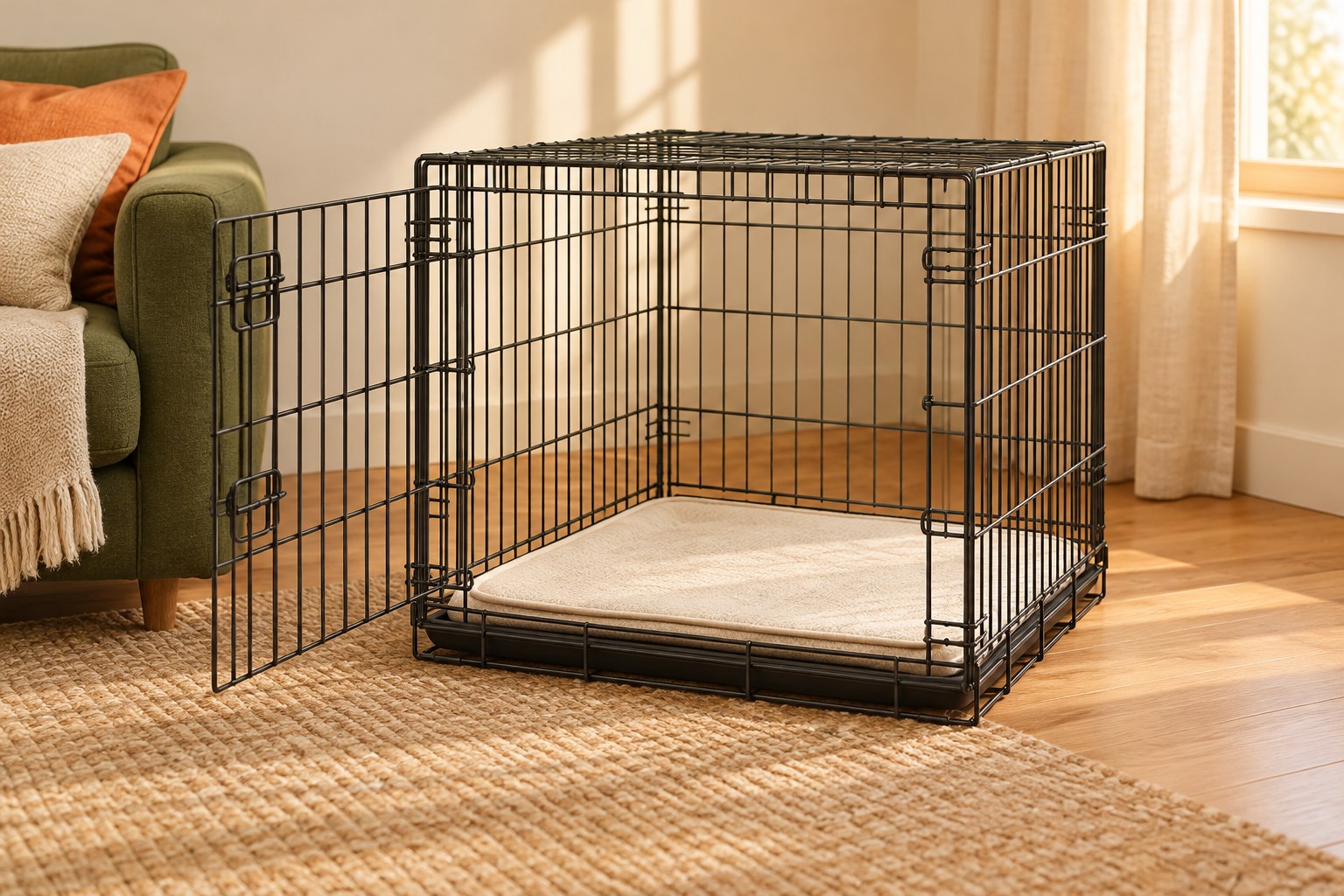
Place the assembled carrier on a stable floor in an appropriate quiet area, following the maker's instructions for doors or removable parts. If an opening can safely remain secured open, it may allow the pet to investigate voluntarily. Keep it away from a busy passage where people will step over it. Do not leave loose straps or packaging accessible around the enclosure.
The carrier should contain only suitable flat bedding that preserves its usable space. A familiar washable cloth may be helpful if it does not obstruct the entrance or bunch beneath paws. Avoid filling the interior with several cushions to make it appear inviting. The animal needs room to adopt normal positions, and the product should be assessed in a realistic configuration.
Observe the equipment as well as the pet
If the animal hesitates, consider whether the floor shifts, the entrance lip is awkward, or the shell makes an unexpected noise. These are practical product details that can sometimes be corrected through proper assembly or a more suitable model. Do not interpret every hesitation as a reason to lure more insistently. Give the pet room to choose and seek qualified behavior guidance when needed.
Watch what happens when the pet turns or settles. A pad that slides toward the doorway may need a compatible replacement, not another loose layer placed on top. If interior dimensions prove inadequate, use the return process while the carrier is still new. Early familiarization is valuable partly because it exposes equipment mismatches before a journey makes them difficult to address.
Build only manageable steps
Follow an appropriate gradual plan for brief closure, handling, and transport practice, guided by the individual animal's response and professional advice when necessary. Do not hold the animal inside simply to complete a schedule. Distress, persistent refusal, or apparent discomfort should lead to reassessment. A carrier product cannot establish why travel is difficult or substitute for veterinary input when health concerns are involved.
Before lifting an occupied carrier, confirm the correct carrying method and all closures. Practice with the empty product first so handle behavior and balance are familiar. Do not use a shoulder strap, decorative loop, or shell handle beyond its stated purpose. An enclosure that feels stable on the floor may hang differently once lifted, so the complete intended use needs thoughtful preparation.
Prepare the journey separately
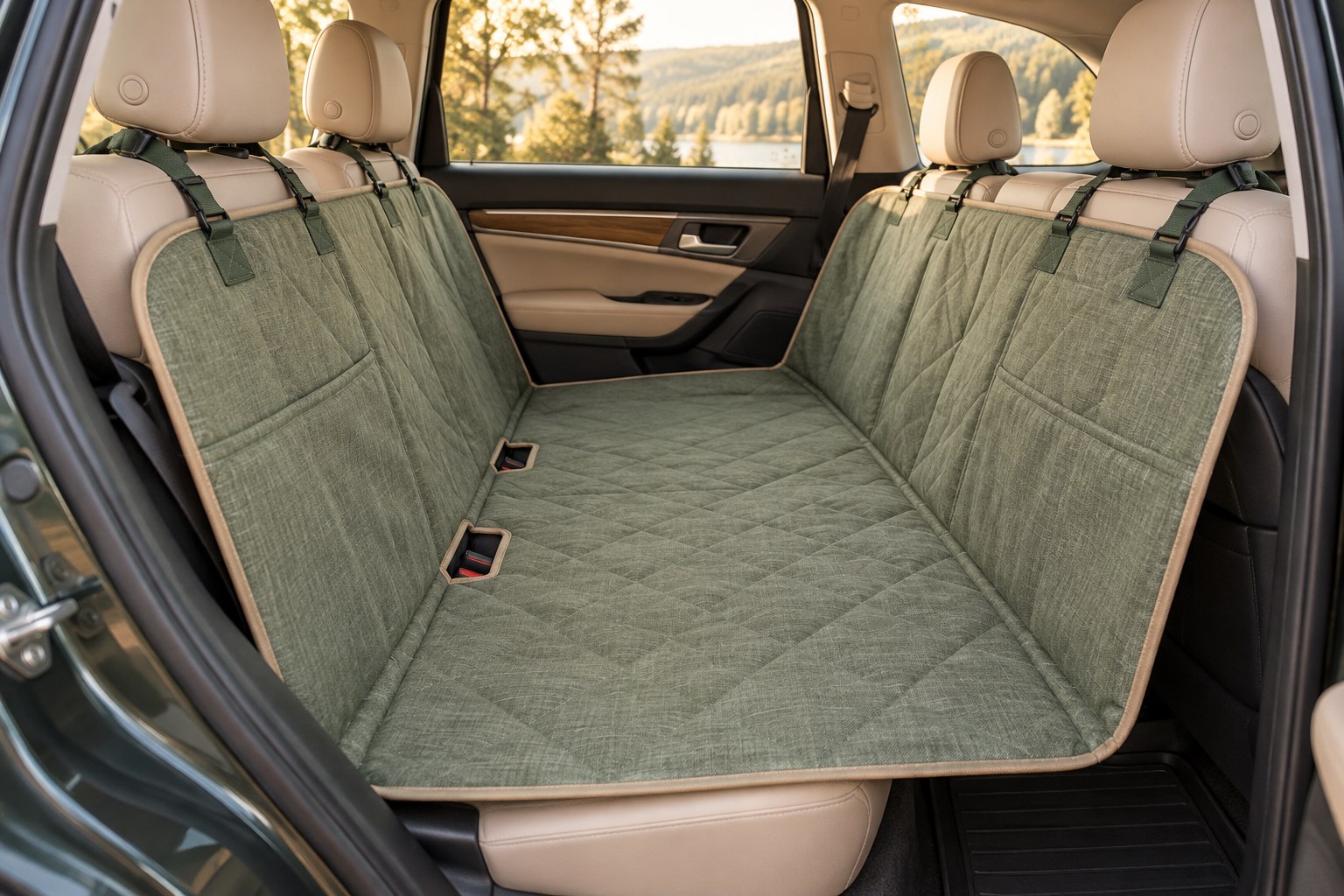
Carrier familiarity does not settle vehicle installation or airline acceptance. For a car, use an appropriate setup according to exact product and vehicle instructions. For air travel, verify the exact airline, flight, aircraft, and current requirements before buying or booking. Do not rely on an airline-approved label or a previous trip as universal evidence of acceptance.
Plan secure locations for loading and opening the carrier. A familiar animal can still move unexpectedly in a new environment, and public areas may have distractions not present at home. Keep identifying information current without blocking ventilation. Consider how the handler will carry other belongings so the enclosure can remain level and under control rather than becoming an afterthought among several bags.
Maintain the familiar setup
After practice or travel, clean the carrier as instructed and dry it completely. Inspect mesh, fasteners, load-bearing seams, and floor support. Replace bedding with a compatible layer rather than changing the whole interior unpredictably before every outing. Retain the model details and care instructions so future maintenance preserves the sound configuration already assessed.
If the pet's response changes suddenly, seek suitable advice instead of assuming the product has merely lost its appeal. Comfort, health, experience, and the travel setting can all be relevant. A calm preparation routine gives more time to notice those changes. The aim is a useful familiar enclosure and an appropriate journey plan, not a promise that one accessory will remove every difficulty.
For our approach to product claims and illustrations, see the Editorial Policy.