A cleanup kit is most useful when a small ordinary mess can be handled without dismantling the entire travel setup. It should not be so large that it becomes another loose load in the vehicle. Start by listing the surfaces present in your actual arrangement and selecting a few supplies that are compatible with those materials and convenient to retrieve in a safe stopping place.
Match supplies to the installed equipment
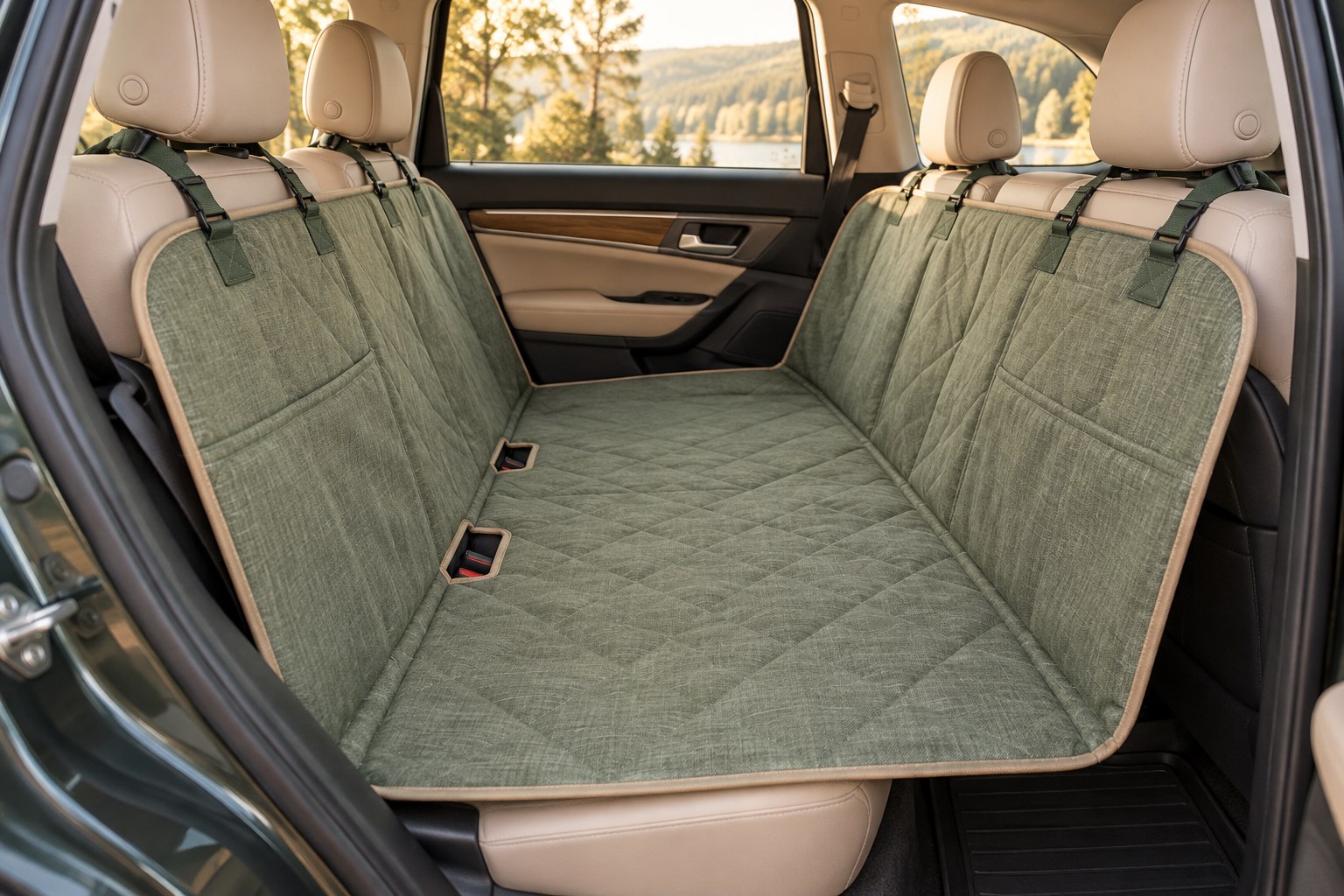
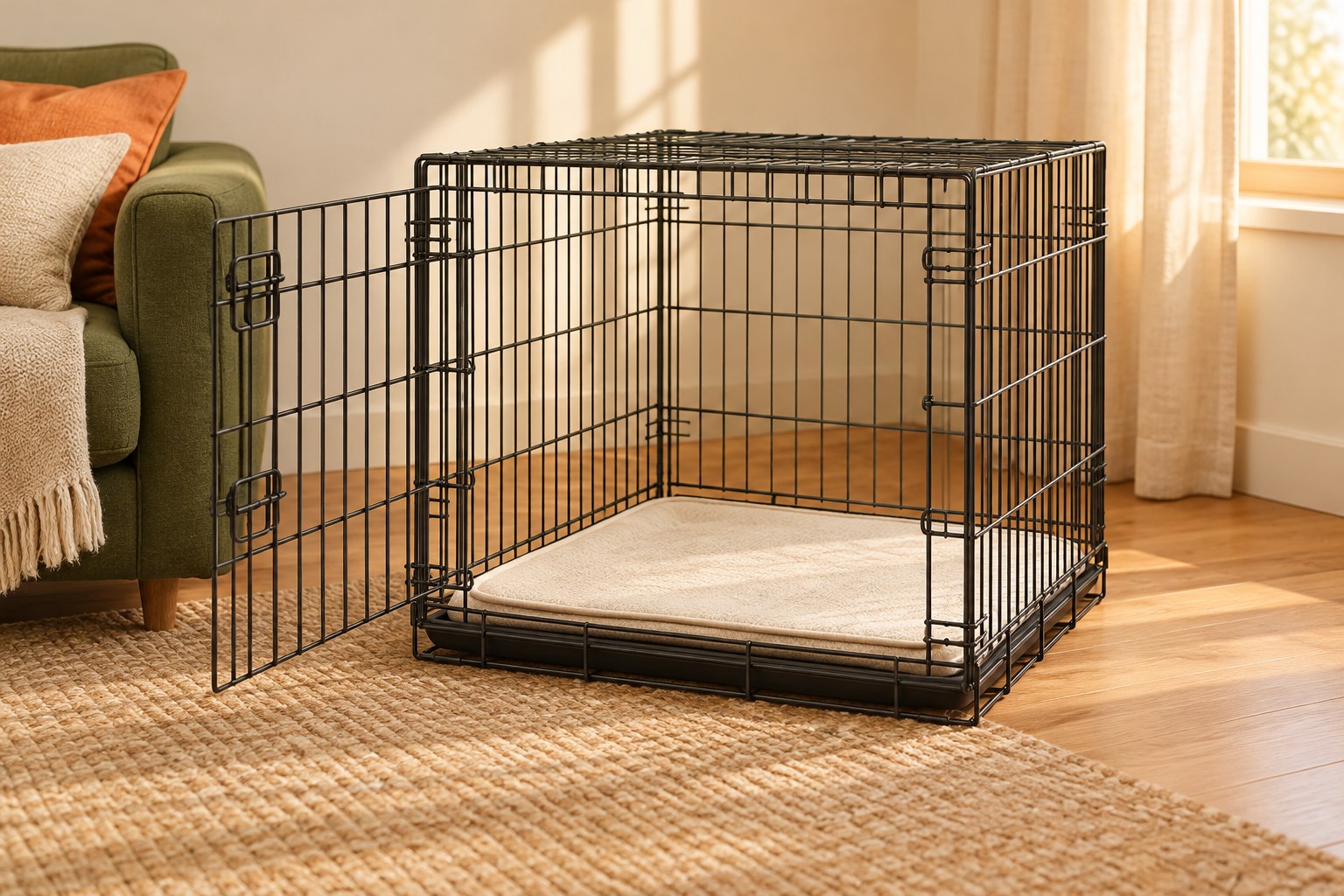
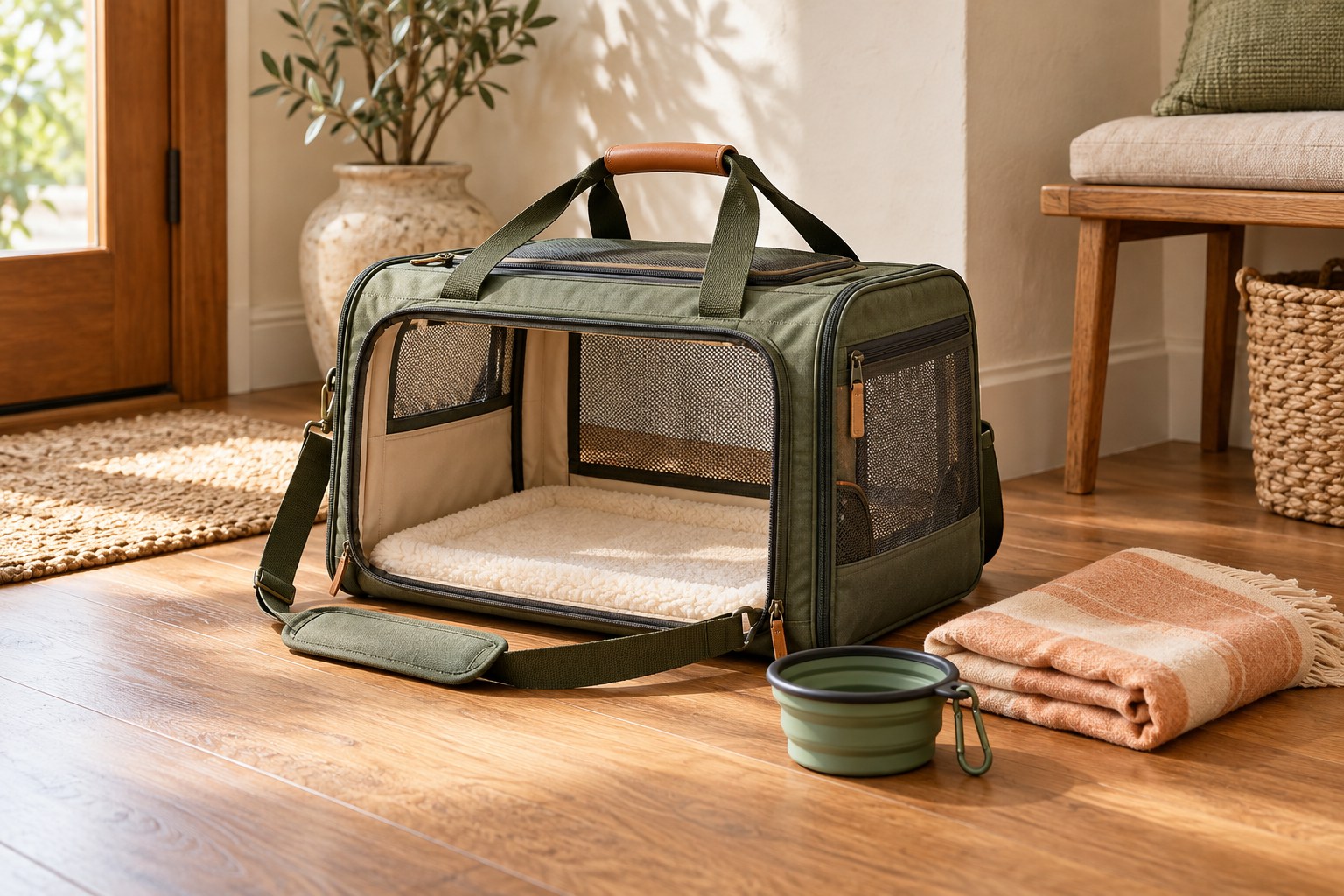
A rigid carrier, fabric bag, coated seat liner, and leather seat can all have different care requirements. Retain their instructions and choose cleaning products accordingly. Avoid a universal spray merely because its packaging features a pet. Read the label, required rinsing, and material restrictions, and do not mix cleaning products. When uncertain, a permitted simple cleanup followed by proper cleaning later may be the appropriate plan.
Keep original labels on products so every handler can identify them. If a smaller container is necessary, use only a suitable labeled arrangement allowed by the product instructions. Anonymous bottles create confusion and make correct use harder. Store chemicals away from the animal and from food or personal items, following the temperature and storage guidance on the label.
Use manageable textile pieces
One or two appropriately sized towels can be more useful than a thick pile of rags. Assign a clean finishing towel separately from a floor or equipment towel. Choose fabric that can be washed and dried with the household's usual equipment. If a spare liner is carried, confirm that it fits the carrier without altering usable space or the intended vehicle installation.
Pack a separate washable temporary container for used damp textiles. Empty it promptly after the journey rather than leaving a sealed wet bundle in the car. A waste bag serves a different role and should not become long-term textile storage. Distinguishing these purposes keeps the kit easy to understand and prevents a clean towel from being placed back among used materials.
Include ordinary debris removal
A compact hand tool may remove loose hair from a compatible seat cover, but check its instructions on the actual textile. Rubber edges and abrasive brushes can behave differently on upholstery. Avoid aggressive scraping that damages the fabric. A small brush or vacuum attachment should be stored with its working surface protected and should not roll loose beneath seats or pedals.
Disposable supplies can be practical for a particular mess, but choose quantities around realistic use. An overflowing kit becomes hard to search. Keep waste contained and dispose of it appropriately at a suitable stop. Do not leave used wipes or bags where the pet can reach them. The kit should reduce handling demands, not add more small objects around the animal's enclosure.
Choose the stopping place before cleaning
Handle cleanup only after parking safely and maintaining an appropriate containment plan for the animal. Opening a carrier into an unsecured public space creates a separate risk from the dirt being addressed. Keep ventilation unobstructed and do not leave the pet in a hot vehicle while sorting supplies. If the animal seems unwell, seek veterinary assistance rather than treating the situation as a cleaning task.
Remove a soiled cover in a way that keeps its dirty surface away from clean upholstery. Inspect beneath it for moisture rather than assuming a barrier prevented all contact. Some cleanup may need to wait for a proper washing and drying setup. Do not reinstall damp padding or alter a restraint system simply to make the vehicle look tidy before continuing.
Secure and reset the kit
Store the kit according to the vehicle's suitable storage provisions so it cannot become a loose object during travel. Keep it accessible without blocking exits or restraint hardware. Check containers for leaks and inspect fabrics before each journey. A compact soft-sided bag may be convenient, but it still needs an appropriate location rather than being placed on the seat beside the pet.
After travel, clean the bag, wash and dry textiles, replenish used supplies, and review anything that proved unnecessary. Retain a short inventory if several people share the car. The best kit is not the one containing the most products; it is the one whose few useful components are compatible, identifiable, and ready when an ordinary cleanup is needed.

For our approach to product claims and illustrations, see the Editorial Policy.