Carrier shopping often begins with an available space: beneath a seat, beside luggage, or in a vehicle. That external constraint is real, but it does not tell you whether the animal fits inside the product. A sound decision needs two separate sets of measurements and a willingness to choose another travel arrangement when they cannot both be satisfied.
Record the pet's relevant dimensions
Use the carrier maker's sizing guidance to record the pet's body length, standing height, and any other requested dimensions. Weight capacity must also be respected, yet weight cannot establish posture or turning space. Observe ordinary relaxed positions rather than compressing the animal into a convenient shape. Ask a veterinarian or qualified transport professional for individual guidance when appropriate sizing is uncertain.
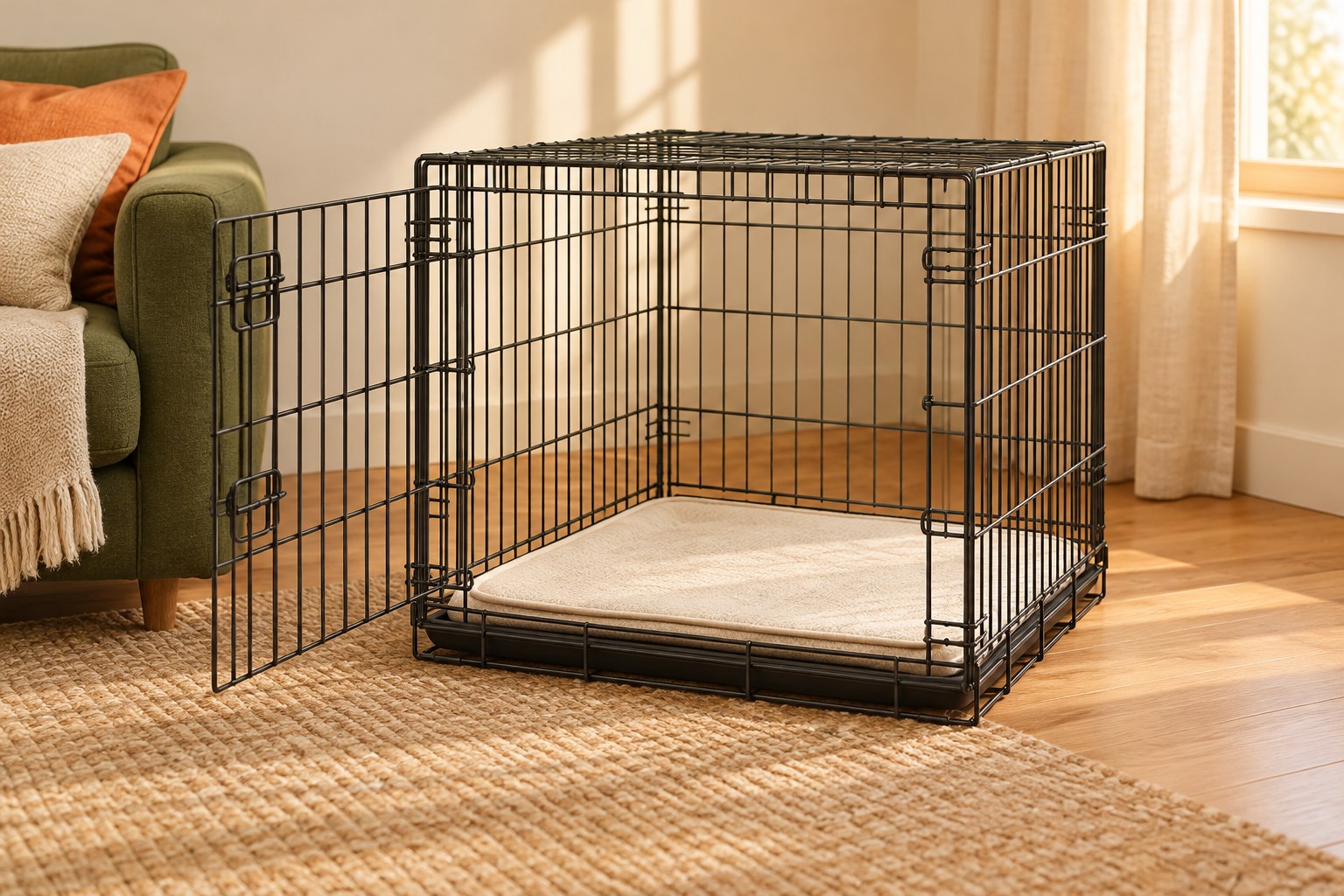
Compare those measurements with the carrier's usable interior. Padded walls, a sloping roof, and a thick floor insert can reduce space significantly. Ask for interior dimensions at the narrowest relevant points, not simply the maximum width. An expandable section offers extra space only when it can legitimately remain open in the setting where the carrier is being used.
Measure the receiving space accurately
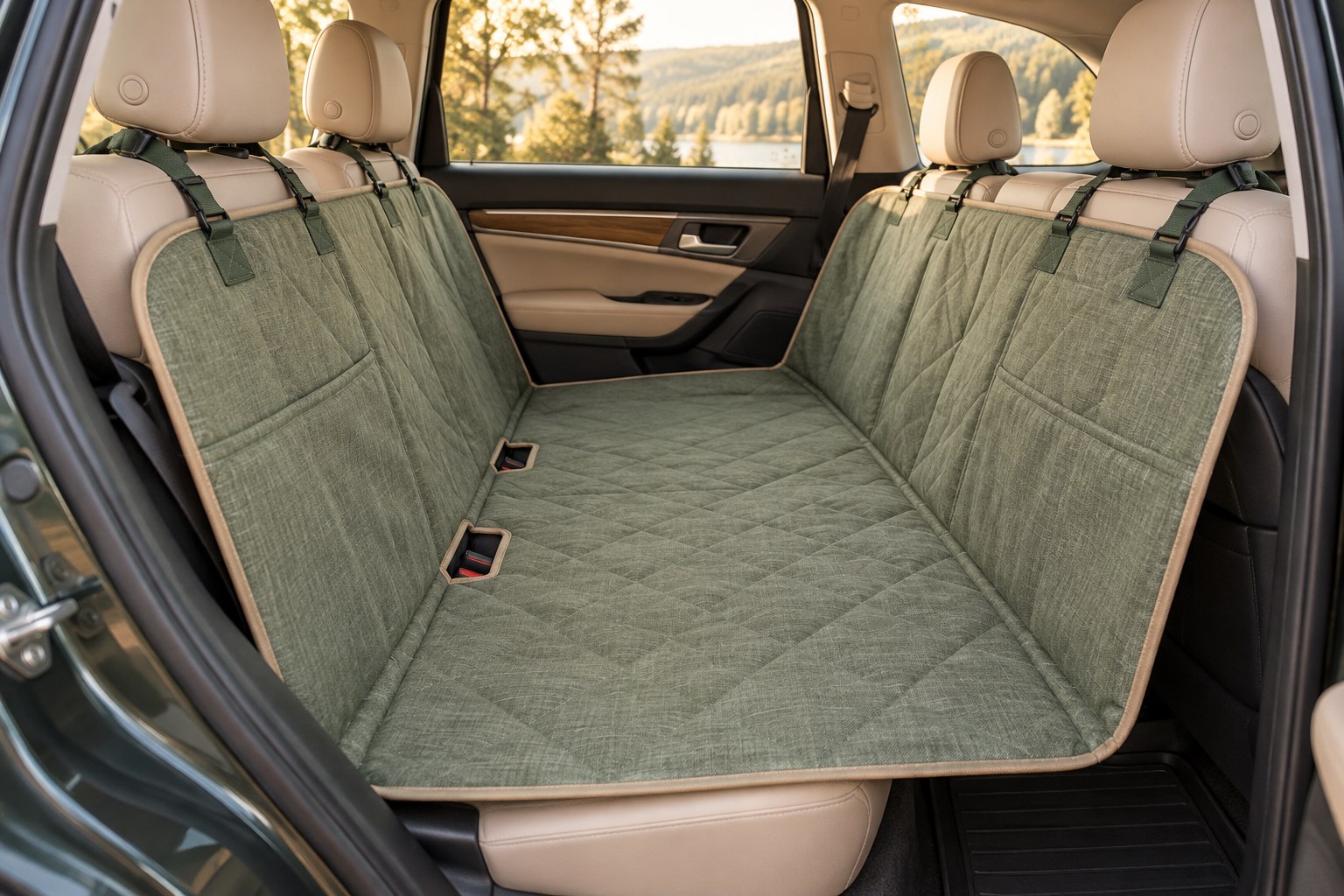
For a car location, note the floor shape, neighboring seats, door opening, and any installation hardware. The carrier must reach its intended position without being forced through a narrow gap. For an airline journey, verify the exact airline, flight, aircraft, and current carrier requirements directly. Published general dimensions and a manufacturer's airline-approved label cannot guarantee that a particular carrier will be accepted.
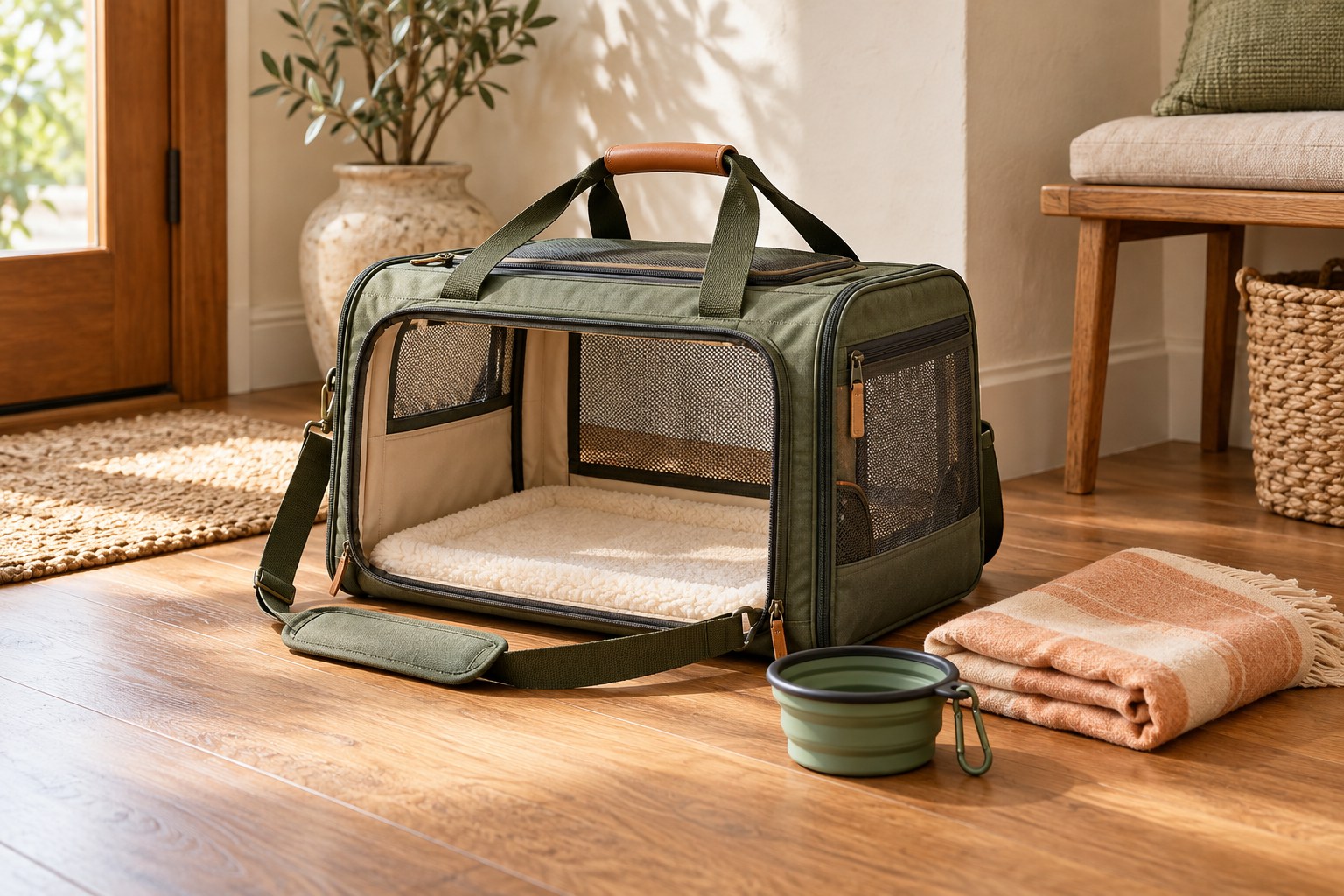
Distinguish a soft carrier's permitted flexibility from simply crushing it smaller. Bending a roof can reduce the pet's usable space or distort ventilation and closures. Follow the carrier and transport provider instructions rather than treating every flexible panel as spare tolerance. If the approved external space cannot accommodate an appropriate carrier for the animal, reconsider the travel plan instead of choosing an enclosure that is too small.
Include openings and attachments
Handles, wheels, pockets, and door frames can project beyond a quoted rectangular body. Check whether the listed external dimensions include them. A rigid handle that folds flat differs from a wheel assembly that permanently extends the base. Ask for a diagram when the measurement method is unclear. Product photos alone are unreliable for judging how far fittings extend.
Also measure the entrance itself. A carrier with generous internal volume can still have a small door that makes loading awkward. Removable tops and multiple openings provide different options, but each must close securely. Consider whether the animal can enter voluntarily and whether access can be managed in a secure location without opening several panels simultaneously.
Check the assembled configuration
Install the intended liner and floor panel before assessing the delivered carrier. A thick extra pad changes internal height and can bunch near the entrance. Confirm that the base sits correctly and that all closures operate without strain. Keep packaging until dimensions and assembly are verified, and photograph any discrepancy between the delivered item and the listing before arranging a return.
Write down the final usable measurements and model code. They are helpful when buying replacement liners or planning another journey, though requirements still need fresh verification for each specific trip. Do not assume that a previous airline acceptance applies universally or that a similarly named product has the same dimensions. The measurement record supports a new check; it does not replace one.

For our approach to product claims and illustrations, see the Editorial Policy.